

Tenors to collaborate for vocal recital
Music
Hesston College music students Bryce Elder (Ottawa, Kan.) and Galed Krisjayanta (Surakarta, Indonesia), will perform a joint sophomore voice recital at 8 p.m., Thursday, April 30, at Hesston Mennonite Church on the Hesston College campus.
Elder and Kristjayanta, both tenors and voice students of Matt Schloneger, will perform from the classical, sacred and musical theatre genres. They will combine for a duet on Mendelssohn’s oratorio “I Waited for the Lord.”
Elder’s formal voice training started at Hesston College, where he was also a member of the Hesston College Chorale under the direction of Ken Rodgers for two years. He competed at the National Association of Teachers of Singing (NATS) Central West region in 2013 and 2014, qualifying for semifinals in his performance categories both years.
Krisjayanta has been a member of the Bel Canto Singers under the direction of Bradley Kauffman both of his years at Hesston. He is also a frequent solo performer at formal and informal events across campus and in the community. Krisjayanta placed at the annual NATS competition in 2013 and 2014. As a freshman, he won first place in the Freshman Men’s Classical Division and was the first Hesston College student to bring home a first place win since 2003. He earned second place in the Sophomore Men’s Classical Division in 2014. He also starred as Professor Bhaer in the college’s spring 2015 production of the musical “Little Women.”
General
Music
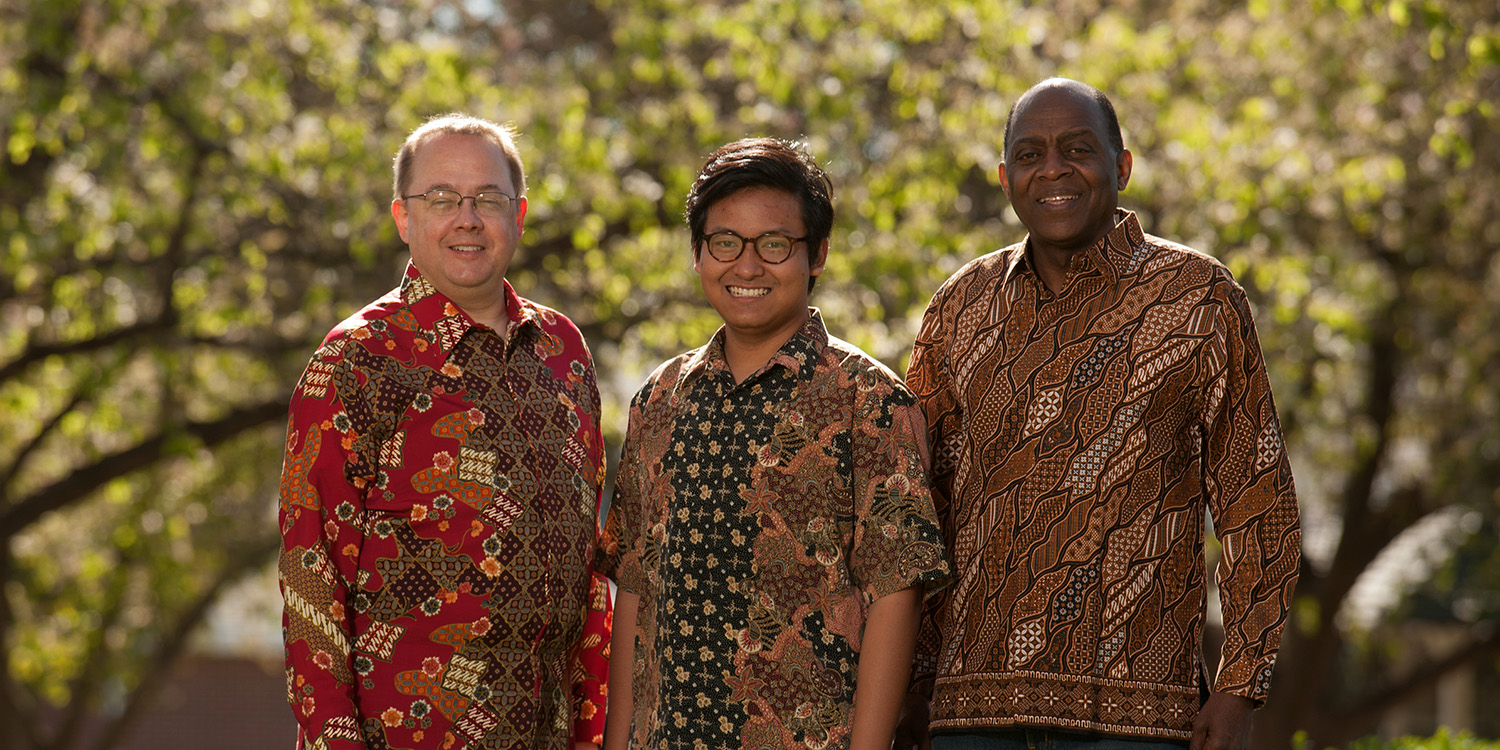
When an earthquake devastated Galed Krisjayanta’s home on the south coast of Java Island, Indonesia, in 2006, he didn’t respond as most 10-year-olds might have. While many children would understandably stand by as their parents managed survival and recovery efforts, Krisjayanta took the first steps toward his future pursuits of music performance and humanitarian work.
In the face of the devastation, Krisjayanta, supported by one of Indonesia’s largest Christian non-governmental organizations, recorded a music album titled Alam Sisa, which translates to “our nature and what’s left of it,” encouraging resilience, survival and a refusal to give up because a brighter future awaits those who work for it. The album’s proceeds were directed for charity in the recovery process.
“That was the first time I realized music could have a life-changing impact in society,” said Krisjayanta.
Seven years later, Krisjayanta arrived at Hesston College where he met Tony Brown – an instructor, mentor and friend with whom he shares many commonalities. Brown, a Hesston College social science instructor, artist in residence and internationally recognized baritone, uses his music to spread messages of peace and social justice across the world through his organization, Peacing It Together Foundation.
The two men have developed a close bond during Krisjayanta’s two years at Hesston, and this May, following Krisjayanta’s graduation, they will travel together to Indonesia along with accompanist and Hesston music faculty member Ken Rodgers, for a two-week Interfaith Concert Tour May 23 to June 8.
A concert tour is nothing new for Brown who frequently travels around the globe using music to draw people together across the divides of race, culture and religion. But for Krisjayanta, the opportunity to perform with and learn from a seasoned professional like Brown, is another step toward realizing the dreams of his 10-year-old self.
“The tour will give us the opportunity to deliver words of peace and humanity to the people of Indonesia, as well as introduce audiences to classical and African-American music that is not as familiar to them,” said Krisjayanta.
Since his arrival at Hesston, Krisjayanta has been well known on campus and in the community for his outstanding vocal talent. He is a member of the premier vocal ensemble, Bel Canto Singers, as well as a solo performer at formal and informal events across campus and in the community, including singing regularly at Whitestone Mennonite Church in Hesston. Krisjayanta placed at the annual National Association of Teachers of Singing Regional Vocal Competition both of his years at Hesston. As a freshman, he won first place in the Freshman Men’s Classical Division and was the first Hesston College student to bring home a first place win since 2003. He earned second place in the Sophomore Men’s Classical Division in 2014. He also starred as Professor Bhaer in the college’s spring 2015 production of the musical Little Women.
“I never really believed I would be a music performance major, but Hesston College and the city of Hesston have been my stage to start my singing career in the United States,” said Krisjayanta. “I realize that God gave me the talent to sing for a reason – to spread good music and to serve people through my singing.”
Krisjayanta recalls the idea for collaboration with Brown in Indonesia starting as early as his first year at Hesston. Following a Social Welfare class session, Brown engaged Krisjayanta in his goals for vocal performance and proposed the idea of working together.
“I told Tony about my passion for singing and helping people, and he said, ‘Then we are on the same page, Galed,’” recalled Krisjayanta. “Tony started as just my teacher, and now he is my singing partner and brother.”
With the help of Krisjayanta’s father, Sigit, a humanitarian social worker who works in the public health, social work and disaster management arenas, the tour plans were set into motion. Their program will be shared with various faith congregations, choirs and others.
“We hope this venture will bring people together across divides and help them find common ground,” said Brown. “In keeping with the mission of Peacing It Together Foundation, we will use our music in Indonesia as a catalyst for peace and social justice.”
Hesston College hosted a benefit concert for the Indonesia tour on April 11, which featured Krisjayanta and Brown, as well as other Hesston College ensembles. Financial gifts of support for the performers and trip expenses continue to be welcomed. Gifts may be sent to Hesston College Alumni and Church Relations, Box 3000, Hesston, KS 67062.
Mennonite Disaster Service executive director to speak at Commencement 2015
General
Hesston College will celebrate the class of 2015 during Commencement Weekend May 8 to 10.
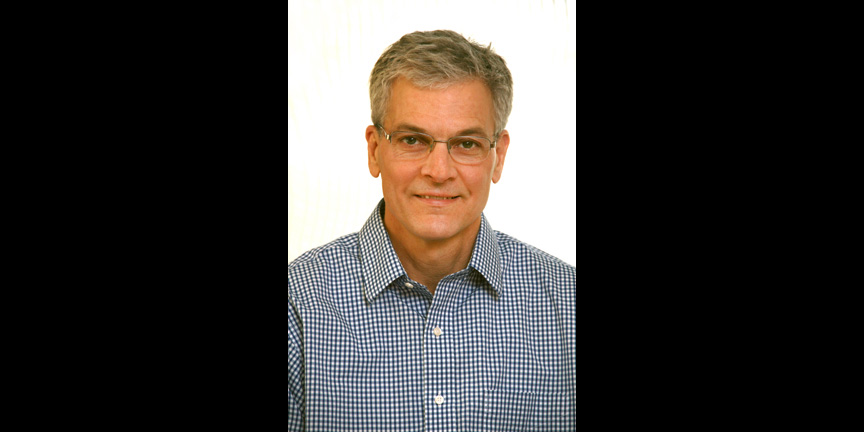
The commencement ceremony will be at 9 a.m., Sunday, May 10, in Yost Center. Mennonite Disaster Service (MDS) Executive Director Kevin King will present the commencement address.
King, Lititz, Pa., has served MDS since February 2004. MDS has worked closely with Hesston College in the formation and operation of the Disaster Management Program (DMP) and provides summer internships for Hesston’s Disaster Management students. King has been a regular on the Hesston campus during the last 10 years because of this partnership. Before serving MDS, King was the material resources manager of Mennonite Central Committee’s Akron, Pa., office.
Selected by their fellow graduates and faculty as student speakers will be graduates Malcolm Mann, Plano, Texas, and Jordan Waidelich, Stryker, Ohio.
Individual student groups will be recognized in ceremonies during the weekend.
Pastoral Ministries commissioning will be at 7 p.m., Fri. May 8, at the Dyck Arboretum of the Plains Visitor and Education Center, 177 W. Hickory Street. Ron Moyo, Saturday Night Worship Pastor at Whitestone Mennonite Church (Hesston) and a 2012 graduate of the Pastoral Ministries program, will deliver the address.
Disaster Management students will be acknowledged for completion of the program at 8:30 a.m., May 9, in the Dyck Arboretum of the Plains Prairie Pavillion. Paul Unruh, a 1958 graduate of Hesston Academy and 1960 graduate of Hesston College will be the featured speaker. Unruh is a longtime MDS volunteer and a member of the bi-national MDS Board of Directors.
A pinning ceremony for nursing graduates will be at 10 a.m., May 9, in the Hesston Mennonite Church Sanctuary. A reception honoring the graduates will follow in the church’s Community Center. Speakers will be graduate Makayla Ladwig, Wichita, Kan., and faculty member Joyce Huber.
Aviation and Air Traffic Control graduates will be recognized during a 2:30 p.m. reception, May 9, in the Hesston Mennonite Church Community Center.
Other weekend events include student-directed one-act plays at 7 p.m., May 8, and 1 p.m., May 9 at the Dyck Arboretum Prairie Pavilion. Freshman RaeLee Hightower, Tulsa, Okla., will direct Sure Thing and English Made Simple by David Ives. Freshman Erika Byler, Shipshewana, Ind., will direct The True Story of Cinderella by Richard Conlon. The performances are free and open to the public.
Sophomore music students will showcase their talent in vocal recitals. Students performing include Havela Lehman at 7:30 p.m., May 7, in the Hesston Mennonite Church Sanctuary, and Taylor Zehr and Mary Bender in a joint recital at 4 p.m., May 8, in the Hesston Mennonite Church Sanctuary.
The Bel Canto Singers will present the Asylum concert at 4 p.m., Saturday, May 9, in the Hesston Mennonite Church Sanctuary as a precursor to their Northwest Coast tour May 11 to 20. The program is based on the fall common read book, Escape from Camp 14 by Blaine Harden.
An informal come-and-go “Go Everywhere” reception for all students, families, faculty and staff will be from 8 to 9 p.m., May 9 in the Larks Nest in Erb Hall.
See the full weekend schedule here. For more information, call the Special Events Office at 620-327-8109 or toll free at 866-437-7866.
Students recognized for achievement during Larkfest 2015 awards ceremony
General
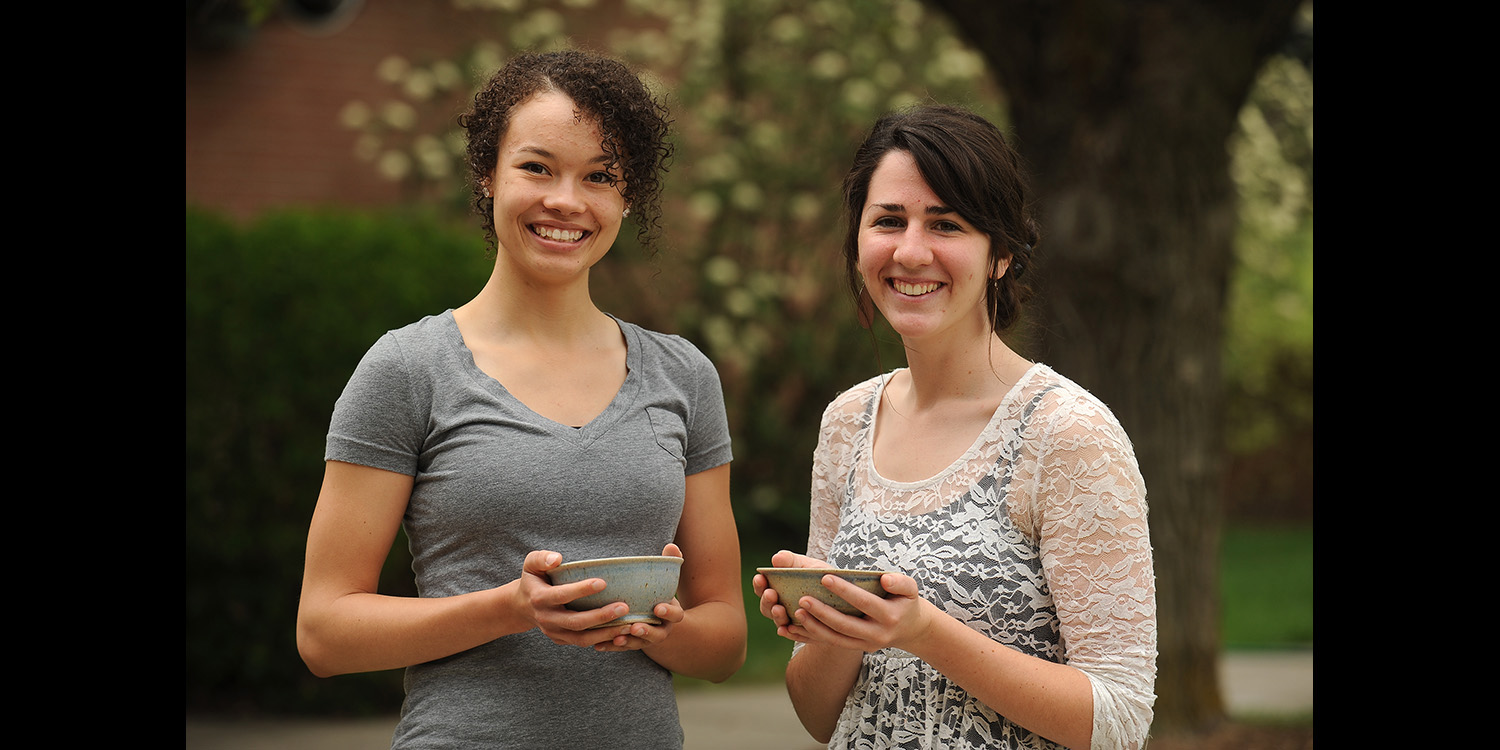
Hesston College students were recognized for their academic, extracurricular, service and leadership achievements during the 2014-15 year at a Larkfest Awards ceremony April 16.
Larkfest 2015 was a day-long celebration highlighting service and education. The day included service projects and student presentations as well as the awards ceremony.
Two students, sophomores Makayla Ladwig (Wichita, Kan.) and Elisabeth Wilder (Hesston, Kan.), received the Lark of the Year Award for demonstrating excellence in academics, leadership and service. Lark of the Year nominees were named based on involvement in leadership and service opportunities on campus and grade point average. Hesston College faculty and staff chose the winners.
Freshman Parker Eberly (Navon, Pa.) and sophomore Kymee Noll (Nortonville, Kan.) received the Ambassador of the Year Award from the Admissions department for their work with prospective students
Receiving the Resident Assistant of the Year Award from the Student Life department were sophomores Quinn Kathrineberg (Salina, Kan.) and Spencer Miller (Milford, Neb.).
Receiving the Business Award were sophomore students Eric Cender (Valparaiso, Ind.) and Grant Walker (North Newton, Kan.).
Awarded the Bill Mason Business Scholarship for the 2015-16 year were freshmen Alaina Beatty (Washington, Iowa), Desiree Corona (Newton, Kan.), Christy Swartzendruber (Shickley, Neb.) and Rose Yoder (Bellefontaine, Ohio.). The scholarship was established in honor of longtime business instructor, Bill Mason, Hesston, Kan., and awards a $2,500 scholarship to business students during their sophomore year.
Receiving the Behavioral Science Award were sophomores Maria Diener (Meridian, Miss.) and Elisabeth Wilder (Hesston, Kan.).
Receiving the Clayton V. Beyler Award from the Bible and Ministry department were sophomores Christina Hershey (Mechanicsburg, Pa.) and Oliver Denlinger (Denver, Pa.).
Receiving the Daniel Gerber Peace and Service Award from the Bible and Ministry department was sophomore Steven Yoder (McVeytown, Pa.).
Receiving the Science and Math Achievement Award was sophomore Sarah Hostetler (Pleasant Dale, Neb.).
Receiving the Teacher Preparation Award for K-12 education was sophomore Alex Hiebert (Buhler, Kan.). The Teacher Preparation Award for Early Childhood Education was presented to sophomore Bethany Snow (Park City, Kan.).
Receiving the Service Leader Award for 60 or more hours of community service logged during the academic year were freshman Austin Braddock (Baldwin City, Kan.) and sophomore Elisabeth Wilder (Hesston, Kan.).
Named as Ministry Assistant of the Year was sophomore Maria Diener (Meridian, Miss.).
Receiving the Peer Educator aAward for excellence in roles as a tutor, peer mentor, or study group leader was sophomore Sarah Hostetler (Pleasant Dale, Neb.).
Receiving the Music Award from the Music program was sophomore Matt Lind (Harrisonburg, Va.).
Receiving the Mariann Martin Theatre Award from the Theatre program was sophomore Taylor Zehr (Wauseon, Ohio).
Receiving the Nursing Award was third-year nursing student Taylor Schrag (Moundridge, Kan.).
Chamber Orchestra to perform spring repertoire
Music
The Hesston College Chamber Orchestra will showcase its repertoire with a spring concert at 3 p.m., Sunday April 26, at Hesston Mennonite Church on the Hesston College campus. The concert is free and open to the public.
The 12 member ensemble is under the direction of Rebecca Schloneger.
Members of Chamber Orchestra include: Erika Byler, Shipshewana, Ind.; Isaac Dahl, Archbold, Ohio; Grant Flaming, Hillsboro, Kan.; Zac Headings, Hutchinson, Kan.; Quinn Kathrineberg, Salina, Kan.; Michael Kilmer, Glendale, Ariz.; Havela Lehman, Keizer, Ore.; Matt Lind, Harrisonburg, Va.; Eleya Raim, Oxford, Iowa; Emma Roth, Goshen, Ind.; Caleb Schrock-Hurst, Harrisonburg, Va.; and Ali Zuercher, Phoenix, Ariz.
Theatre program to host summer 2015 theatre camp for middle school students
Theater
Aspiring young actors can learn new skills and techniques as well as challenge their creativity during Hesston College’s summer theatre camp June 1 to 6 on the Hesston College campus. Hesston College theatre director Laura Kraybill will lead the workshop-style camp.
Students ages 11 to 13 are invited to participate in the weeklong workshop. The week’s theme will be “Greek Myths (The Untold Stories)” and will feature original adaptations of classic Greek myths set to popular songs. Participants will create their own musical and perform the show Saturday, June 6 at the Hesston High School Auditorium following the last day of camp.
The workshops will give the young performers opportunities to work in every aspect of staging a performance from creating the script to painting the set, working backstage and performing the show.
“This camp allows Hesston College to partner with the community to promote the arts and continued education during the summer,” said Kraybill. “Middle school-aged students will have a chance to experience college level instruction and learn the elements that go into producing a show.”
The daily workshops and rehearsals will be from 12:30 to 4:30 p.m. across the Hesston College campus. All workshops, supplies, snacks and expert training will be covered with a $40 registration fee. Financial assistance is available upon request.
Those interested should register online by May 11 or by contacting Laura Kraybill at 620-327-8142 or laurak@hesston.edu.
Larkfest 2015 to involve whole community
General
Hesston College students, faculty and staff from a variety of academic areas will present on academic growth during the year at the college’s Larkfest celebration Thursday, April 16.
The day-long Larkfest celebration will be marked with no classes, but rather will highlight service and education.
Part of the day’s schedule includes two separate presentation sessions. The public is invited to attend the free presentations for a glimpse at the learning happening across campus during the 2014-15 year.
Drop-in presentations, which will operate on a come and go basis, will be from about noon to 1 p.m. Presentations include:
- Nursing simulation in the Nursing Simulation Lab in Charles Hall.
- Information about the college’s newly approved bachelor of science in nursing (BSN) degree program in Charles Hall.
- Student-led table talks on “Tutorials on Improving Your Interpersonal Communication” in Friesen Center Room 125.
- A student art show featured in the Regier Friesen Gallery in the Friesen Center.
- Desktop Publications software demonstrations in the ACCESS Lab in Smith Center.
- Poster presentations on “The Environment and You” in the Charles Hall hallway.
- Presentations on the college’s alternative energy and recycling programs in the Smith Center lobby.
- Four separate sessions of formal presentations will feature students sharing concepts, ideas and learning from the year. The schedule includes:
1 to 1:25 p.m.
- Music recital featuring Havela Lehman, voice; Matt Lind, piano; Anna Martin, voice; Nathan Patron, voice; and Eleya Raim, voice, in the Hesston Mennonite Church Sanctuary.
- Chemical Demonstrations for Education and Entertainment in Charles Hall Room 28.
- “Experiencing Selma and the Civil Rights Movement of the 1960s” in the Hesston Mennonite Church Community Center.
- Holy Ground Nursing Experience papers in Kropf Center Room 150.
- “Lay It All Down: Lessons from Toni Morrison’s ‘Beloved’” in Kropf Center Room 130
- Heilsgeschichte (salvation history) presentations (1 to 2 p.m.) in Kropf Center Room 120 and Kropf Center 160 by Biblical Literature students.
1:35 to 2 p.m.
- Career-inspired informative speeches in the Hesston Mennonite Church Sanctuary.
- A Glimpse into Russia in the Hesston Mennonite Church Community Center.
- World Religions Summit on War in Kropf Center Room 150.
- Challenge and Adventure Aviation by the Flight Instructor Ground Class in Kropf Center Room 130.
2:10 to 2:35 p.m.
- Music recital by Erika Byler, voice; Abbie DeWild, voice; Rachel Esch, piano; Galed Krisjayanta, voice; and Havela Lehman, violin, in the Hesston Mennonite Church Sanctuary.
- Nursing portfolio presentations in Charles Hall Room 28.
- “¡Viva la Salsa!” in the Hesston Mennonite Church Community Center
- “Telling the African-American Story (GrioGeschichte)” in Kropf Center Room 150.
- Student readings from Creative Writing class in Kropf Center Room 130.
- Heilsgeschichte (salvation history) presentations (2:10 to 3:10 p.m.) in Kropf Center Room 120 and Kropf Center 160 by Biblical Literature students.
2:45 to 3:10 p.m.
- Student Film Festival in the Hesston Mennonite Church Sanctuary.
- Health screenings and fitness assessments in Charles Hall Room 28.
- “Marginalized Voices: Celebrating Music by Women from the 12th Century to the Present” in the Hesston Mennnonite Church Community Center.
- “Beauty: The Whole World Round” in Kropf Center 150.
- Challenge and Adventure Aviation by the Air Traffic Basics IV class in Kropf Center Room 130.
Other events from the day include students serving in various capacities and locations around the community and local area including Schowalter Villa, Dyck Arboretum of the Plains, Prairie View, Mennonite Central Committee Center, Hesston Public Schools and more.
Students will receive awards for outstanding achievement from academic areas and departments across at the Larksfest Awards Ceremony at 11 a.m. in the Hesston Mennonite Church Sanctuary.

Explore Kansas! trip to experience a “sampling” of Kansas
General
A trip to the Kansas Sampler Festival in historic Wamego is the focus of Hesston College’s 14th annual Explore Kansas! day trip for alumni and friends Saturday, May 2.
The Kansas Sampler Festival, held at the Wamego City Park, provides a sample of what there is to see, do, hear, taste, buy and learn in Kansas. The annual statewide festival features Kansas artisans, entertainers, performers and food vendors. It is hosted by different towns across the state each year, and represents more than 150 Kansas communities. More than 11,000 people attended the festival in Wamego in 2014. Find more information about the festival here.
Other highlights for the day include tours of the Columbian Theatre Museum and Sogger Gallery Arts Center as well as the Oz Museum, home of more than 2,000 “Wizard of Oz” artifacts.
The Columbian Theatre, Museum & Art Center was built in 1895 by J.C. Roger, a local merchant and banker, as a home for the artifacts he brought from the Columbian Exposition at the 1893 Chicago World’s Fair. In its early days, the theatre hosted vaudeville performances. It was closed after World War II, but was renovated and reopened in 1994 where it again hosts live performances by local actors and entertainers.
The evening’s entertainment will be the musical “Footloose” at the Columbian Theatre.
The trip is $90 per person, which includes bus transportation from Hesston Mennonite Church on the Hesston College campus, morning cinnamon rolls, an evening barbecue brisket meal and admission to all attractions and the musical. Lunch at the Kansas Sampler Festival is on your own from a variety of vendors.
Spaces are limited and are available on a first come, first served basis. To reserve a spot, call Alumni Relations at 620-327-7810 or toll free at 866-437-7866.
The day’s schedule can be found on the Hesston College website.
Chorale to perform spring repertoire
Music
The Hesston College Chorale will showcase its repertoire with a spring concert at 7 p.m., Tuesday April 14, at Hesston Mennonite Church on the Hesston College campus. The concert is free and open to the public.
The program will celebrate spring and resurrection.
The 22-voice mixed ensemble, is under the direction of Ken Rodgers.
Members of Chorale include:So Hui Bak, Gunpo, South Korea; Molly Bruner, Wauseon, Ohio; Kristy Clouse, Kalona, Iowa; Abbie DeWild, Kalona, Iowa; Bryce Elder, Ottawa, Kan.; Rachel Esch, Newton, Kan.; Jessica Fahrenthold, Solomon, Kan.; Crisentia Gregor, Banyuwangi, Indonesia; Emily Hershberger, Newton, Kan.; Molly Heusinkveld, Kalona, Iowa; Kyndell Hightree, Harper, Kan.; Lydia Holland, Russell, Kan.; Hidehiro Kaminaga, Tokyo, Japan; Emily Kauffman, Pettisville, Ohio; Cynnandra Luttrell, Tiskilwa, Ill.; Shelby Miller, Archbold, Ohio; Lincoln Moyo, North Newton, Kan.; Meredith Spicher, Belleville, Pa; Christy Swartzendruber, Shickley, Neb.; Hannah Wheeler, Hesston, Kan.; Noah Yoder, Freeman, S.D.; and Rose Yoder, Bellefontaine, Ohio.